
Creating a connected experience for the Copenhagen metro extension with Autodesk Build
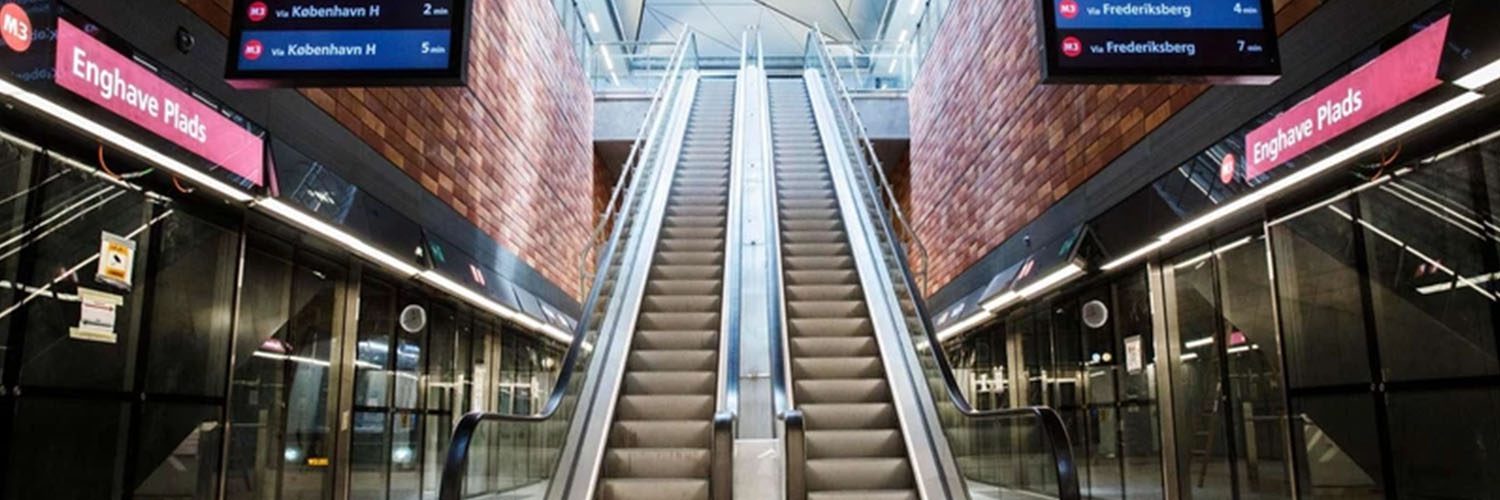
Copenhagen’s metro, with just two minutes between two driverless trains, has been voted the world’s best metro. The metro carries around 360,000 passengers daily, providing a safe and sustainable way to get around the city. With several expansion projects in the coming years, the Copenhagen Metro is standardising and digitising its construction processes with Autodesk Build on Autodesk Construction Cloud to better collaborate internally and externally.
Delivering more efficient ways of working
As one of the most densely populated areas in Denmark, setting up stations thirty to forty metres underground in Copenhagen is no easy task. Since its opening in 2002, the metro has been expanding at a rapid pace. In 2019, the M3 Cityringen opened, consisting of 17 new stations in the centre of Copenhagen. The network is expanding to Nordhavn and Sydhavn in the coming years, with five additional metro stations built in Sydhavn. The current metro system is fragmented and inefficient. The team uses 2D drawings that are manually printed and marked up with changes or problems. In addition, they use Excel spreadsheets to manage specific workflows, which inhibits collaboration on shared documents with internal and external project team members.
“Our manual design and construction processes are time-consuming and inefficient,” says Joe Rasmussen, project manager for the Copenhagen metro. “We decided that we wanted to invest in construction technology to overhaul the way we work and provide greater transparency to our project partners and improve the way we work with the supply chain.”
Copenhagen Metro decided to invest in Autodesk Build to digitise its current ways of working. The team also plans to augment and automate document management in the future.
A phased introduction and improved transparency
For the Copenhagen Metro, transforming construction processes will help minimise disruption to current projects, while allowing project team members to learn from each other. “To get started, we’ll be phasing Autodesk Build into workflows across the M4 expansion project to create efficiencies with digital workflows,” says Joe. “Not only will this speed up our current ways of working, but it will allow us to provide more transparency to all project collaborators, including the municipality of Copenhagen and the Danish government who oversee our work.”
“Autodesk Build will enable us to be more efficient with digital workflows. And increase transparency between project collaborators.”
– Joe Rasmussen, Project Manager
Investing now for the future
Copenhagen Metro’s long-term plan is to use Autodesk Build as the common data environment for all new construction projects. This will save time for their project teams, improve communication through more collaborative working practices and improve connectivity on site. Creating a more sustainable and efficient business fit for the future is a priority for the team.
“We see Autodesk Build as a key component in automating some of our repetitive workflows, which will save time and minimise risk, as sometimes these processes are open to human error,” says Joe.
A shared data environment will also benefit the Copenhagen Metro for long-term asset management. Capturing important project information related to the construction of these stations and the metro line means the team can create predictive maintenance programmes in the future.
For the residents of any city, a connected construction journey will provide a more connected city for the future.